Source Stream Metal Spinner Baits for Bass, Trout, and Pike
Find 30 stream metal spinner baits designed for freshwater and saltwater fishing. Compare models like SFFL-044 and STSPB-011, noting lengths from 8cm to 13cm and sinking actions. These metal body lures with silicone skirts target bass and trout effectively; compare the available evidence and request quotations based on your requirements.
Key considerations
Products List






Comprehensive Sourcing Guide
Stream Metal Spinner Baits Sourcing Guide
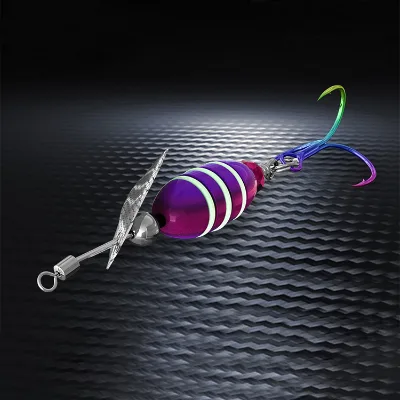
Procuring stream metal spinner baits requires a nuanced understanding of both the mechanical design of the lure and the specific hydrodynamic behaviors that attract target species in flowing water. These artificial lures are engineered to mimic injured or fleeing prey, utilizing rotating blades to generate vibration and flash that trigger predatory strikes from fish such as bass and trout. The core appeal lies in their ability to cover water efficiently while maintaining a consistent action, making them indispensable for anglers targeting active fish in rivers and streams. Buyers must recognize that the effectiveness of these lures is heavily dependent on the interplay between the blade shape, the body material, and the skirt configuration, all of which must be optimized for the specific water conditions and target species.
From a sourcing perspective, the market offers a diverse array of configurations, ranging from single-blade designs to complex multi-blade assemblies that incorporate steel wire, skirts, and jig heads. The observed product landscape includes various models identified by codes such as SFFL-044 and STSPB-011, indicating a high degree of customization and model specificity among manufacturers. Suppliers often provide OEM services, allowing buyers to tailor the product to their brand identity through custom packaging and specific design modifications. This flexibility is crucial for private label brands seeking to differentiate their offerings in a competitive market, but it also necessitates rigorous communication with suppliers to ensure that the final product meets the exact performance and aesthetic requirements of the end-user.
Product Scope and Observed Listing Signals
The current market for stream metal spinner baits exhibits a wide range of price points, typically observed between 0.1 and 18.27 USD, reflecting variations in material quality, complexity of assembly, and order volume. Minimum order quantities (MOQs) vary significantly, starting from as low as one piece for sampling or small retail orders up to 3000 pieces for bulk industrial procurement. This disparity in MOQs suggests that suppliers cater to both niche boutique brands and large-scale distributors, requiring buyers to align their purchasing strategy with their inventory capacity and sales velocity. The presence of both blister box and plastic bag packaging options further indicates a market segmented by retail presentation needs, where visual appeal on the shelf is as important as the functional performance of the lure itself.
Observed product attributes highlight a strong emphasis on versatility, with many lures designed for both freshwater and saltwater environments, although specific models are noted for freshwater suitability in lakes and streams. The materials used predominantly include metal bodies, often combined with silicone components and steel wire structures, which contribute to the durability and action of the lure. Models such as the D128SML and E4 demonstrate the variety in form factors available, with lengths ranging from 8cm to 13cm and weights specified in ounces or grams. Buyers should note that while some listings mention "brand new" designs, the actual performance characteristics are best verified through physical samples, as the visual representation in listings may not fully capture the subtle nuances of the blade rotation and body vibration in real-world conditions.
Technical Specifications to Verify
When evaluating technical specifications, the first critical area is the structural integrity of the spinnerbait assembly, which typically consists of steel wire, rotating blades, and skirted jigs. The connection between the wire and the blade swivel is a common point of failure, so buyers must verify the quality of the crimping or welding process to ensure that the blades rotate freely without tangling or breaking under stress. The material composition of the body, often a combination of metal and silicone, affects the buoyancy and sink rate of the lure, with some models designed for a sinking action to reach deeper water columns. Specifications such as the 1/4oz and 1/2oz weights indicate the intended casting distance and depth control, which must be matched to the fishing technique and water depth of the target stream environment.
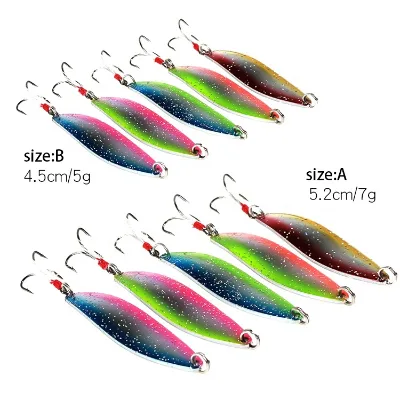
Length and weight specifications are equally important, with observed models ranging from 7.7 cm to 13 cm in length, corresponding to different target fish sizes and water velocities. The design of the blades, whether single or double, and the type of skirt material influence the vibration frequency and flash pattern, which are key factors in attracting fish. Buyers should request detailed diagrams or videos of the product in action to understand the hydrodynamic performance, as static images may not reveal issues such as blade wobble or uneven rotation. Additionally, the origin of the product, often cited as Weihai, China, provides insight into the manufacturing ecosystem, but buyers should not assume uniform quality across all suppliers from the same region without independent verification of their production capabilities and quality control processes.
Compliance and Safety Documentation
Compliance and safety documentation for fishing lures primarily focus on the materials used in construction, particularly regarding the presence of hazardous substances such as lead, cadmium, or certain heavy metals in the paint and body components. While the supplied facts do not specify exact certification statuses, buyers must ensure that their suppliers adhere to international standards for non-toxic materials, especially if the products are marketed for use in freshwater environments where environmental impact is a growing concern. Documentation should include material safety data sheets (MSDS) for any coatings or adhesives used, as well as declarations of conformity for the raw materials, such as the steel wire and silicone skirts, to verify that they meet relevant regulatory requirements for consumer products.
In addition to material safety, buyers should verify that the packaging complies with local regulations regarding labeling and child safety, particularly if the products are sold in regions with strict consumer protection laws. The use of blister boxes or OPP bags must include clear labeling of the product contents, weight, and any relevant warnings or usage instructions. While the observed listings mention "secured" payment terms, this does not replace the need for contractual clauses that hold suppliers accountable for compliance failures. Buyers should include specific compliance requirements in their purchase agreements, requiring suppliers to provide updated documentation upon request and to indemnify the buyer against any regulatory penalties resulting from non-compliant materials or labeling.
Cost Drivers and Commercial Terms
The cost of stream metal spinner baits is influenced by several key drivers, including the price of raw materials such as steel and silicone, the complexity of the assembly process, and the volume of the order. The observed MOQ of 1000 pieces, with some variations per color, suggests that economies of scale play a significant role in pricing, with larger orders likely benefiting from lower unit costs. Lead times, typically ranging from 45 to 60 days according to order quantity, also impact the overall cost structure, as longer lead times may require buyers to maintain higher inventory levels, increasing carrying costs. Buyers should negotiate clearly defined price terms, such as FOB Qingdao, to understand the point at which responsibility and cost transfer from the supplier to the buyer, which affects logistics planning and risk management.
Payment terms and service options, such as OEM customization, add another layer of complexity to the cost analysis. Customization efforts, including design modifications and branded packaging, often incur additional setup fees or higher unit prices, which must be factored into the total cost of ownership. The availability of secured payment methods provides a level of financial protection, but buyers should also consider the financial implications of currency fluctuations and shipping costs, especially when sourcing from international suppliers. It is advisable to request detailed quotations that break down the costs of materials, labor, and customization separately, allowing for a more accurate comparison between different suppliers and a better understanding of where cost-saving opportunities may exist.
Supplier Qualification and Quality Control
Supplier qualification for stream metal spinner baits requires a thorough assessment of their manufacturing capabilities, quality control systems, and track record in the fishing tackle industry. Buyers should verify the supplier's production capacity to ensure they can meet the required order volumes within the specified lead times, particularly during peak seasons when demand for fishing gear is high. Quality control processes should include rigorous testing of the spinnerbait's mechanical components, such as the blade rotation and wire strength, as well as visual inspections for defects in the paint and assembly. Suppliers who offer OEM services should demonstrate a robust design and development team capable of translating buyer specifications into production-ready designs without compromising quality.
Establishing a strong quality control protocol is essential to mitigate the risk of receiving defective products, which can lead to customer dissatisfaction and returns. Buyers should implement a sampling process where initial orders are thoroughly inspected before full-scale production begins, checking for consistency in weight, length, and action. Regular audits of the supplier's facility, either through third-party inspection agencies or on-site visits, can provide valuable insights into their production practices and identify potential areas for improvement. Building a long-term relationship with a reliable supplier involves continuous communication and feedback, ensuring that any quality issues are addressed promptly and that the supplier remains aligned with the buyer's evolving needs and market expectations.
Long-Term Procurement Checks
Long-term procurement of stream metal spinner baits requires ongoing monitoring of market trends, supplier performance, and product feedback to ensure sustained competitiveness and customer satisfaction. Buyers should regularly review sales data and customer feedback to identify which models and features are most popular, allowing for informed decisions about future product development and inventory management. This data-driven approach helps in optimizing the product mix, reducing the risk of overstocking slow-moving items, and capitalizing on emerging trends in fishing gear design and functionality. Additionally, staying informed about changes in regulations and consumer preferences regarding sustainable and non-toxic materials can help buyers proactively adjust their sourcing strategies to remain compliant and relevant in the market.
Maintaining a diversified supplier base is another critical aspect of long-term procurement, as it reduces dependency on a single source and provides flexibility in case of supply chain disruptions. Buyers should periodically evaluate alternative suppliers to ensure they are receiving competitive pricing and quality, while also nurturing relationships with existing partners to secure favorable terms and priority service. Continuous improvement initiatives, such as collaborating with suppliers on new designs or packaging innovations, can help differentiate the buyer's brand in a crowded marketplace. By combining strategic supplier management with agile product development, buyers can build a resilient procurement operation that adapts to changing market conditions and delivers value to their customers over the long term.
FAQs
What fish species do stream metal spinner baits target?
These spinner baits primarily target bass and trout, according to listed product information. The steel wire, blades, and skirted jig structure creates flash and vibration that triggers predatory strikes. They are described as suitable for both freshwater and saltwater use, though buyers should confirm water conditions and blade patterns with suppliers before ordering bulk quantities for specific fisheries.
Can stream metal spinner baits be customized for my brand?
Yes, customization is listed as available, and OEM service is offered on listed products. Buyers can request custom standards, such as specific weight or blade configurations, subject to supplier confirmation. MOQ typically starts at 1000 pieces, with around 500 pieces per color, and lead times of 45 to 60 days depending on order quantity.
What is the typical minimum order quantity for stream metal spinner baits?
Listed products show MOQs of 1000 pieces, with approximately 500 pieces per color for customization. Some suppliers may accept lower quantities for stocked items, so confirm terms during negotiation. MOQ requirements often vary by model, color count, and packaging format, so request written confirmation before placing a trial order with any factory.
How long is the production lead time for stream metal spinner baits?
Listed lead times range from 45 to 60 days, depending on order quantity and customization requirements. Larger orders or fully customized designs generally fall toward the longer end of that range. Buyers with seasonal launches should place orders early and confirm the schedule in writing, including time for sample approval before mass production begins.
What packaging options are available for stream metal spinner baits?
Listed packaging includes plastic bags, OPP bags, PVC bags, blister boxes, and blister packs with insert cards. Single-piece blister packaging is common for retail-ready products, while poly bags suit bulk or wholesale shipments. Packaging choice can affect unit cost, so specify your preferred format, printing, and labeling requirements when requesting quotations from suppliers.
Which models of stream metal spinner baits are available?
Listed model numbers include SFFL-044, SFFL-050, SFFL-043, D128SML, E4, D52M, D17, D50LX, D35, STSPB-011, STSPB-002-1, STSPB-001-1, and YFSN02. Specifications vary by model, covering lengths from 7.7 cm to 13 cm and weights such as 1/4oz and 1/2oz. Request specification sheets to match models to your target species and water conditions.
How can I verify quality before ordering stream metal spinner baits?
Request samples before committing to bulk production, and inspect blade rotation, hook sharpness, wire strength, and finish durability. Since customization is available, ask for a pre-production sample reflecting your exact specifications. Payment through secured channels is offered by listed suppliers, which adds a layer of transaction protection while you evaluate product quality and supplier reliability.
Where are stream metal spinner baits sourced from?
Listed products originate from Weihai, China, a coastal city known for fishing tackle manufacturing. Some listings reference FOB Qingdao pricing terms, which is a nearby major seaport. Buyers should compare multiple factories in the region on customization capability, MOQ, and lead time, since specifications and service levels differ across listings.